
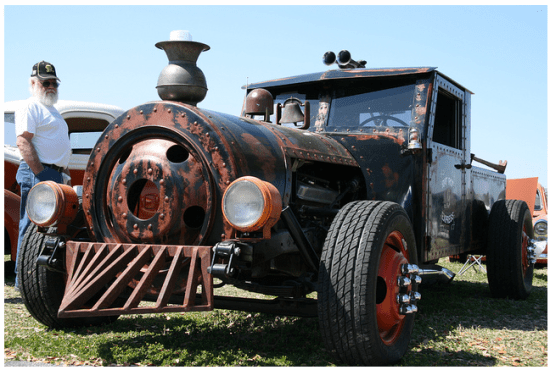
Photo by Tonton Copt
I got a lot out of Jo Tango's description of 24 hours in the life of a VC, and this afternoon a friend from outside the Valley was talking about how curious the rest of the world is about what actually happens at tech startups. That gave me the idea of writing down what I spent my time on today, to give an idea of what one early-stage CTO's world is like. The great part of my job is that there really isn't such a thing as a typical day, at different stages of the company and product I've been doing far more coding or project management. Right now the priority is growing the team, so over half my time is on recruiting, which hopefully won't be a permanent situation (help me out and email me if you're good!). There weren't any big disasters or triumphs today though, so it seems like a decent one to give you an idea of what I do.
8:00am
Woke up, showered, had a cup of tea, a banana, and an apple for breakfast, and catch up with my RSS feeds. I've got almost 200 blogs in NetNewsWire, but many of them are entrepreneurs or investors who don't update very often, so it's not as much of a slog as you'd think. It's important because it gives me an early-warning system for what's happening in the tech world, and serves as a kind of continual drip feed of professional education, in bite-sized chunks. As an example, Jud Valeski blogged a philosophical post about what gets him enthused, and how the feeling waxes and wanes, which gave me an insight into some puzzles about my own energy levels that I've been wrestling with.
9:00am
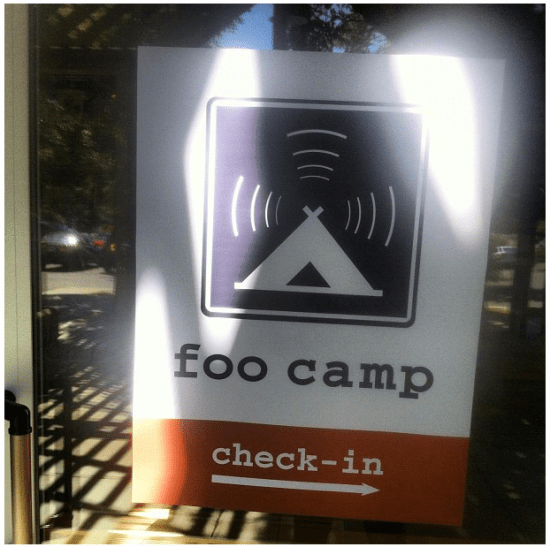
I did a 15 minute video chat with my sister, who's just had her baby, and got to see my new nephew. I normally only do family calls at the weekend, but with FooCamp taking up my last one I wanted to make sure I caught up with the new family.
9:15am
Hopped on the N Judah muni service to Montgomery Street station, and then walked 3/4 of a mile to our office at 2nd and Brannan. Three mornings a week I have a half-hour exercise routine at home, but I also try to walk as often as possible. For anything under a mile, it's usually not much longer than most of the other options, and I've found it makes a big difference in my alertness if I stay physically active. When I was more focused on solo coding, I could let myself be tired or productive on my own schedule, but now most of my job is helping other people I have to be 'on' when they need me, not when I feel like it.
9:45am
I walk into the office, set up my laptop and then do a quick pre-meeting huddle with my co-founder and CEO Julian. We're kicking off a new phase of the product design with the help of an outside firm. We've used them before, but it's been a while so we have a lot of catching up to do. I've got some notes on the mockup screenshots they sent us, so I make sure they match what's on Julian's mind before we talk to the designers.
10:05am
The meeting starts late because we had a quick outside call jump in first, and then we have to switch off video on Skype because the audio side is starting to stutter. After that it works a lot more smoothly, but it's still enough to make me nostalgic for fixed-line phones. We work through all our notes on the design, make some decisions together, and agree on a timeframe for getting back more complete mockups. At the end, I'm left excited about working with the designers, they're going to do a lot to help improve our product.
10:45am
During the design meeting, a friend and angel investor has arrived, so Julian and I sit down in the conference room with him and give him an update on the business. After that, our current top priority is hiring, so we give him an overview of the job descriptions we've put together, the tactics we're using, and then dive into the list of people that we're either talking to or targeting. He's able to offer advice from his own experience on finding talent, and gives us some tips on who we should be talking to. We go into a lot of depth on some mutual friends, and how we might best snag them.
12:35pm
I need to head back to near Montgomery station to meet an old friend and Apple alumni for lunch. I arrive ten minutes early for my 1pm reservation so I do a quick triage of my email using my phone, looking for the most urgent items while I wait. He's delayed another ten minutes, so I end up getting several replies in.
1:10pm
One big reason for this lunch is to help with recruitment. We're still at a comparatively early stage in our process, and what I've found works is talking to people you most wish you could hire, and finding out who they recommend. The best people are always already way too busy, but often they'll attract like-minded souls who may only be up-and-coming, but show a lot of promise and are more hirable. You also never know what will happen if you ask someone you admire for recommendations, every now and again they'll respond themselves! I have to admit that I also really wanted to catch up with my friend too, it's been a couple of years since we talked, so I also enjoyed hearing about his adventures.
2:10pm
Heading back to the office again, I'm irritated with myself because I wanted to be back at 2:15pm to continue talking to the visiting angel investor, and my walk-everywhere regimen starts to feel a bit less sensible.
2:30pm
Before I talk to the angel, I check in with an engineer who's working on a tricky project. He's doing well, but I realize that I haven't done a good job of transfering the big picture of how the whole system should work from my head into his. I start off with a quick whiteboard brain-dump, then we dive into some of the technical details, and finally we emerge triumphantly clutching a task list for the next few days. It's strange to not be the one at the coalface myself, but I'm glad when I can actually feel like I've been helpful without writing code. A cup of tea is called for, and luckily as C-Tea-O I remembered to stock up the kitchen with teabags yesterday, so we end our discussion over a cuppa. Afterwards I circle back with Julian to update him on how the technical choices we've made affect the product experience and the schedule.
3:15pm
This is the first open slot of the day for me, so I sit down at my laptop and work through my email. I use my inbox as the entry buffer for my to-do list, so every day I try to go through all incoming messages and either respond immediately, or add a task to the paper notebook I use to keep track of what I need to do. After filtering list messages out, I have around a hundred real messages every day, with maybe ten or fifteen requiring some action from me. Several of the emails are continuing conversations about recruitment, so they require a bit of thought and take some time to compose. I also have a support email about OpenHeatMap, a project I try to avoid letting impinge on my work day, but luckily I'm able to supply a quick answer. I do owe a debt to that project too, it was what first got me working on extracting places from unstructured text, which led to the core technology for Jetpac.
4:15pm
I update the spreadsheet I'm using to keep track of our hiring pipeline with the new leads I've gathered over the day, and spend some time researching candidates on the web. I also reach out to a couple of people I've recently met to start a conversation with them.
5:15pm
Julian and I head over for a chat with a reporter we know. This won't result in an immediate story, it's more background on the industry, but it's someone we both like, and it helps us understand the state of the world too. Meeting face-to-face with people and telling our story in our own words is the only effective way we've found of getting the word out, and luckily neither of us can shut up about what we're up to!
6:45pm
This evening I'm attending Hacks and Hackers, an event that connects reporters and engineers interested using technology to improve journalism. It's almost two miles away, but I stick to my walking resolution, arriving half an hour later and a bit hotter than I'd prefer. The main attraction was Wired's talk on how they build their online audience, which is obviously something that's on my mind a lot at Jetpac. To my pleasant surprise though, I spot my friend Jim Giles in the audience. I can't claim any business purpose to meeting him, it's just pure pleasure to hear about his life with his young son, and the progress on the stupendous Matter project he got funded on Kickstarter. The talk itself turns out to be more relevant to an established brand, and not as helpful to startups, but I do end up meeting some other interesting folks afterwards. Again with recruiting in mind, I like hanging around where the interesting problems are, good engineers tend to be attracted to challenges like journalism even when a good business model is so elusive. This may partially be a self-serving excuse to indulge my own interests though!
9:30pm
I walk the last mile back home, stop by Safeway to pick up a few ingredients for a quick Mexican stir-fry, and then catch a few minutes of Ken Burns' National Parks series while I eat. I'm hoping to make a quick weekend trip to Yosemite soon, and it does me good to be thinking about something bigger than this technology world for a little part of every day. Afterwards, I start on this blog post, which I wasn't expecting to take the two hours it did!
So that's it, a day in my life. I'd love to see more of these floating around, I know there's an incredible diversity of experiences even amongst local startups, so I'd love to read posts about yours.

 Pete Warden's blog