Slow food and growing up in the Cambridge countryside

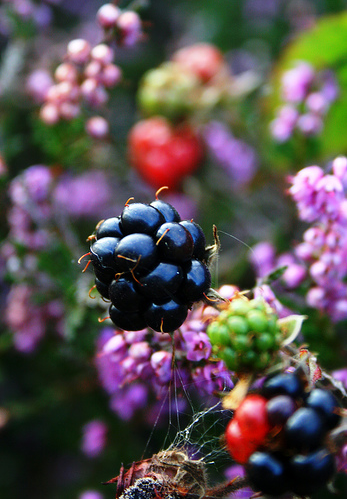
Blackberry
Photo by Fannyluvstrans

For my next trip to Boulder, I’m hoping to pay a visit to The Kitchen, since I’ve had it recommended by several friends. Whilst browsing the site, I discovered that one of the chefs, Hugo Matheson, was raised in a small village in the Cambridgeshire countryside, just like me. He’s been a big part of the Slow Food movement in Boulder, and that got me thinking about how my childhood affected my relationship with food.

The village I grew up in is confusingly called Over, from the Saxon word for riverbank. With 3000 inhabitants, it was always based on agriculture, and I grew up opposite a farm yard. Even the residents who weren’t directly involved often grew fruit and vegetables in their gardens or allotments. A lot of the food I ate growing up was grown in the village. There is a wonderful tradition of leaving bags of produce on an unattended wooden stall at the front of your house, with a sign announcing the price and a jar to leave your money in. Another great local source is "The Cooks", an unsigned market stall in a courtyard off the High Street. They’re a local farming family who sell a wonderful range of fresh food, my mother still buys most of her ingredients from them.

Much more exciting as a child were the opportunities for scrumping, a term that sadly has no equivalent over here. Surrounded by farmland and orchards, I spent many hours gathering blackberries from patches of wasteland, plums from hedgerows, fallen apples and even digging up potatoes they’d missed after the harvest! These would all either be eaten on the spot, or brought home for cooking. It always makes me a bit sad when I drive past the orange orchards here in California and see all the fallen fruit rotting on the ground.

I never set foot in a fast food restaurant until I was 14, since they were all 10 miles away in Cambridge. Once I tried my first McDonalds, it was like alcohol and the early Indians, the overwhelming amount of sugar, salt and fat got me totally hooked. Once I left Over for university, I couldn’t often afford to eat out but when I did, the trashier the better. Most of the time I was doing home-cooking though, for economy’s sake rather than as a preference, but I could never get produce that was quite as good as the fresh local ingredients I was used to. Now I’m here in California I just cook at home as a treat, one of the joys is the wonderful array of good restaurants to chose from that do use decent ingredients.

I still have trouble getting good produce though. I’m never free when farmer’s markets are running, and getting home late and working most weekends means I’m at the mercy of the supermarkets. Ironically I’ve found that the most upscale stores like Albertsons and Vons have the worst produce. I’ve found the best at Jons, a discount store. My theory is that customers like to see the fruit and vegetables on display at the upscale places, but they don’t buy them very often, so they sit around for a long time. I’ve certainly brought home a lot of vegetables from there that are already starting to go soft or mouldy. At Jons, most of the shoppers are poorer and I see a lot more of them buying raw ingredients to cook with, so they both care more about the quality and there’s a lot more turnover.

I’m interested by the Slow Food movement, and by what I’ll find at The Kitchen. I’m naturally sympathetic to their ideals, and love the fact they have recipes and suppliers up on the site. I’d love to hear ideas on how we could make good fresh produce available in a convenient way that’s affordable to people on a budget.

Enjoy a taste of Britain with Tikka Masala

Tikkamasala

There’s not much food I miss from the UK, but life isn’t worth living without an occasional Chicken Tikka Masala. Invented in the 70’s, it’s a combination of traditional Indian spices and the British love of sauces. Tender chunks of chicken are slowly cooked in a creamy tomato and yogurt sauce and served on rice with a side of naan bread. I’ll show you how to make your own at home.

Ingredients

Serves 2-3

1/4 stick of butter
1/2 teaspoon cumin seeds
cinnamon stick
8 cardamom pods
12 cloves
2 bay leaves
1 medium onion
6 cloves of garlic
1 piece of ginger root
1 tablespoon of powdered cumin
1 tablespoon of powdered coriander
1 14 oz can of diced tomatoes
1/2 teaspoon cayenne pepper
3/4 teaspoon salt
1 pair of chicken breasts (about 1lb)
2 tablespoons plain full-fat yogurt or sour cream

Preparation

The cooking itself takes about an hour, but you’ll need to prepare the ingredients before that starts. That usually takes me around 45 minutes, and I recommend a small glass of Kingfisher beer to help you along and add an authentic curry-house feel.

Garam Masala

The spice base used for many Indian dishes is known as garam masala. I’ve tried a lot of prepared mixes, but I’ve never found one that hits the spot. To make your own, take the cumin seeds, cinnamon, cardamoms, cloves and bay leaves, and place them on a small plate. Later you’ll be throwing them in hot oil to bring out the flavor.

Tikkaspices

Vegetable stock

Onion, garlic and ginger make up the stock base for the dish. The onion should be chopped finely and placed on one side for later. The garlic should be crushed into a small bowl or glass, and then grate the ginger and add to the mixture along with a little water. I love the smell of the garlic and ginger together, I’ve found it works great for any dish that needs a rich vegetable stock.

Tikkaginger

Chicken

This is my least favorite part of the recipe since I hate handling raw chicken. One tip I’ve found is that you can leave the frozen chicken a little under-defrosted and the slicing will be a lot simpler.

Take the breasts and slice them into roughly 1 inch cubes. I’m pretty fussy and remove any fatty or stringy sections so there’s just the pure white meat. Sprinkle the salt and cayenne pepper over the cubes, adding more than suggested if you like it hot, and leave to marinate for a few minutes.

Tikkachicken

Cooking

Now all the components are ready, you’ll need to put the butter in a large, deep frying pan and put on a high heat. You need to get it hot, but not so hot that the butter separates or smokes. My usual test is to drop a single cumin seed into the oil. If it sizzles and pops within a few seconds, it’s hot enough.

Once up to the right temperature, add the plate of garam masala spices and stir for around a minute. You should start to smell the aroma of the spices as they mix with the oil.

Leaving the heat on high, add the onion and leave cooking for around 3 minutes, stirring frequently. The onion should be translucent and a little browned by the end.

Now add the cumin and coriander, along with the garlic/ginger mix. Mix well in the pan, and if it looks too dry add a little more water. Cook for another minute or so.

Add the canned tomatoes, mix again and leave for another minute.

Throw in the chicken and give another good stir. Now turn the heat down to low and place a cover on the pan. After a few minutes have a peek and it should be bubbling very gently. Keep stirring every few minutes, and it should be ready in around 45 minutes. If the sauce looks too watery, leave the lid off the pan for the 15 minutes to let it reduce. A few minutes before the end mix in the yogurt or sour cream.

Tikkapan

Rice

Curry-house rice is usually basmati, and cooked quite dry compared to the American standard. I recommend a cup of rice to two cups of water and a medium-sized saucepan with a good lid.

Take the rice and soak in a large bowl of water for half an hour before you cook it. Then drain the water, and add the rice to the two cups of boiling water in the pan. Stirring is the enemy, since you’ll break up the grains and add sticky starch to the mixture, so just stir once when you add the rice, and then once again when it’s up to boiling. Once it’s reached that point put on the lid, turn down the heat and don’t peek for ten minutes since the steam’s doing a lot of the cooking and you don’t want to let it escape.

After ten minutes turn off the heat and fluff the rice with a fork, and then cover again until everything else is ready. Put the rice on plates as a base and add the curry on top.

Naan

You really need proper stretchy sweet naan bread for the proper Indian experience. Making that yourself is a whole different article, but as a poor substitute you can try pitta bread in a pinch, since that’s a lot easier to find.

A sea of Shooting Stars

Shootingstars

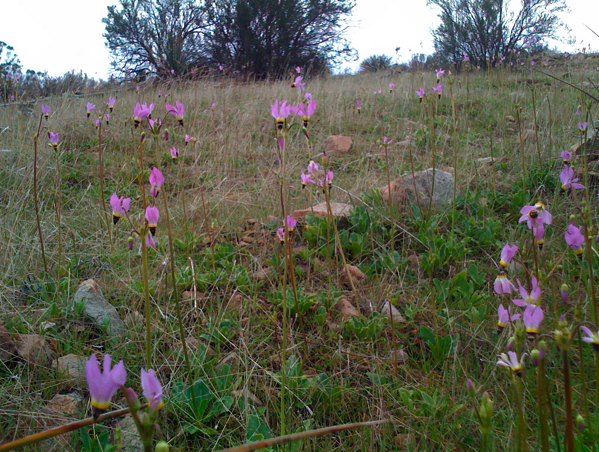
I’ve just got back from a day in the mountains with Liz. We were lucky enough to find a whole meadow full of Shooting Stars near the end of the Mishe Mokwa trail. It was a trail maintenance trip with the SMMTC, so we hiked four miles carrying tools onto the top of the Chamberlain Trail and then spent a few hours working before heading back. We found the flowers on the way back, and it was a real stroke of luck since Liz was already planning on profiling them on the trails council site. Here’s a sneak preview of one of her photos:

Shootingstarclose

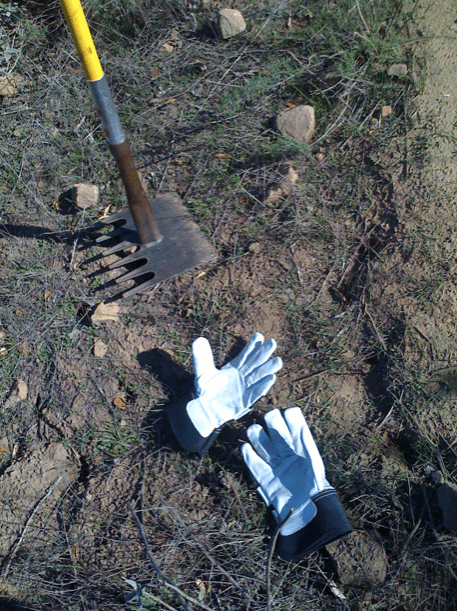
They’re fascinating plants, they always remind me of a wasp with purple wings. The maintenance work gave me my drain-building fix. There’s nothing quite like playing in the dirt with a pick-ax to clear your mind. It’s so nice to be able to stand back after an hours work and see what you’ve accomplished. It started to rain towards the end, so I was even able to see them in action!

Drain

Skiing in Utah

Skiing

I’m literally skiing in Utah for the next three days, but Seth’s analogy has been on my mind. Yesterday I was asked why I’m building these mail tools. As a knowledge worker, email is central to my life, and I know how many painful problems there are related to sharing information. I can see a massive pool of mail data sitting there unused. I want to build systems to bridge that gap. There’s so many opportunities I feel like a kid in a candy store, or a skier in Utah.

A happy anniversary

Liz

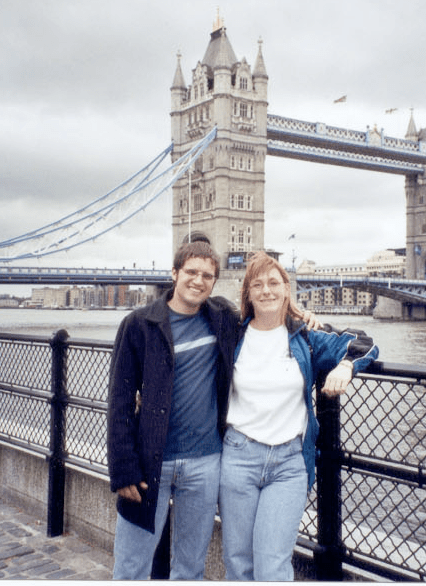
Exactly 6 years ago I met a beautiful young girl called Liz. We were both working as volunteers fixing up the Musch Trail, and our shared love of the mountains brought us together. Since then she’s been a constant source of love, strength and happiness and has never stop surprising me. I’m looking forward to many more adventures together.

If you are a local hiker you should check out the Santa Monica Mountains Trails Council site that she’s been working on. I especially like her Plant of the Month feature, and the hundreds of trailwork pictures she’s collected.

What I’ve learnt from being a trail crew boss

Mcleodandgloves

Last week I had a record turnout to a volunteer trail maintenance day I was organizing, with 28 people. It was exhausting but fun, and we ended up getting a lot of the Guadalasca trail fixed up. It also got me thinking about the lessons I’ve learnt over the last few years of being a crew leader. Some of them came from the classroom training I received from Frank Padilla and Kurt Loheit, but most of what I know is from watching experienced leaders. I’ve learnt under some great bosses like Frank, Kurt, Rich Pinder, Hans Keifer, Jerry Mitcham, Ron Webster, and too many others to mention here.

You’re there to make decisions. People want to know what they should do, there’s no need to feel bad about telling them what you want. They usually don’t want to know the detailed reasoning behind it, but be ready to briefly explain if they do. Be confident, but give time to any objections. Act as if you’re right, but listen like you’re wrong.

Everyone’s there to have fun. Everybody on the crew is a volunteer, there because they choose to be. You’re a leader because they consent to being lead, and you’ve essentially no power over them. You can’t dock their pay or threaten to fire them, the only tools you have are praise, persuasion and self-confidence. Luckily, pretty much by definition every volunteer is self-motivated, so those will take you a long way.

The Sandwich Principle. This is Frank’s phrase, and something that I’ve never seen anyone use as skillfully as Rich Pinder. If you’re going to correct somebody, sandwich it in-between two pieces of praise. As in ‘wow, that tread is looking great! Could you try not to kill those endangered woodpeckers with your pick-ax? You’ve sure shaped that drain nicely’. Sounds corny, but it really seems to change people’s behavior without leaving them feeling like they’re being pushed around.

Be prepared. I forgot to bring along my flags when I rode the trail to scout out the work in preparation for last week. This meant that I was reduced to verbally describing a section about a mile up the trail that I wanted a group of experienced volunteers to walk ahead and tackle. Unfortunately my description wasn’t good enough, and they hiked past it and ended up with a gruelling uphill climb. That was my responsibility, as a leader it’s impossible to organize that many people and plan at the same time. That makes it vital to have a plan both thought-out and well-marked for people to follow before the event.

Surround yourself with good people.
Even though there were 28 volunteers, many who’d never done trailwork before, I was able to cope because several of them were SMMTC or CORBA regulars with plenty of experience under their belt. I split people into 5 groups each with an experienced leader, showed them their work sites and what I was hoping to get done at each, and then was able to leave the details to them. I was still busy answering plenty of questions and giving further directions, but the supervisors took on the bulk of the individual management.

Your main job is help others work, not do the work yourself. When you’re experienced, it’s hard to stand back and watch someone else struggling without wanting to step in and take over. The trouble is, there’s almost certainly someone who needs direction who you’re neglecting while you do that, and the person you’re taking over from would learn a lot more if you train them and let them do it rather than just watching you. If you’re lucky, you’ll reach a point where everyone’s working away and you can sneak in a drain or two yourself, but your most important contribution is to get everyone else doing the right tasks safely and effectively.

Thanks again to all the volunteers who made it out to Guadalasca, we got some great work done. Liz has got some of her photos up on the Trails Council site, it really was a fantastic day!

Feedburner or Feedblitz subscriber count problems?

Feedblitzlogo
A couple of weeks ago I added a Feedblitz option (the box on the top left) for people who wanted to subscribe by email. I haven’t seen much takeup, but yesterday’s Feedburner subscriber stats show 69 new people using it! That seemed suspicious to say the least, but it looks like I‘m not the only person seeing the same issue. I’m jealous though, he got 16,000 imaginary subscribers whereas the glitch still left my total in triple digits.

40 mile bike ride through the mountains

Guadalasca

I needed to check out the Guadalasca trail before I lead a trail maintenance crew on it next Saturday (contact me if you’re in the LA area and want to play in the dirt). It’s a joint project with the CORBA biking group and their trail crew boss Hans Keifer invited me along on a group ride they were doing today. Hans organized it through the Over-the-Bars club, and those guys are mountain biking machines! I’m glad to say I made it through the countless hill-climbs and drops to the end, but it left me shattered. I like to think I’m fit, road-biking 4 days a week, but these are some tough hombres. Half of them were 20 years older than me too, which both gives me hope and makes me feel worse.

I’ll be spending the rest of tonight recovering with a martini and some Famous Dave’s

How to hike to the highest point in the Santa Monica Mountains

Mishemokwasign

Sandstone Peak is the tallest peak in the Santa Monicas, at 3,111 feet. There’s a really sweet 6 mile loop you can hike to reach the top. It’s one of my all-time favorite trails thanks to its unique scenery. Here’s a map, and below I’ll cover what else you need to know. One other great feature of this trail is that it’s entirely on National Park land, who allow leashed dogs unlike many of the other agencies.

Getting There

The biggest challenge for me and Liz is the drive to the trail-head, because it’s a very twisty mountain road, not good if you’re easily car-sick. You can get there either from the PCH or Thousand Oaks. From the north, take the Westlake Blvd exit from the 101 and follow that road south for several miles as it heads into the hills. It then turns into Decker Canyon, and just after that merges with the Mulholland Highway. Stay right on Mulholland as Decker Canyon splits off again after a mile, and then shortly after turn right on Little Sycamore Canyon Road. Stay on that as it turns into Yerba Buena Road, and after several miles of twists, you’ll see a dirt parking by the left side of the road. This is the Mishe Mokwa parking lot, and is one of the two you can use for this hike. About half a mile further on is the Sandstone Peak lot, which is an alternative starting point.

If you’re coming from the ocean side, you can take Yerba Buena Road directly from the PCH, which is just west of Leo Carillo beach. Just stay on it, avoiding the side-roads that split off, until you reach either of the parking lots.

Mishe Mokwa Trailhead

I usually start off at the Mishe Mokwa parking lot. Cross the road to get to the trailhead, don’t take the one that starts in the lot you’re in, since that’s a different section of the Backbone. Head along the trail about half a mile, and you’ll see a side trail join Mishe Mokwa. This is a short connector trail that leads to the other side of the loop. You’ll be taking that on the way back to get from the Sandstone Peak fire road back to this parking lot. For now, just keep going straight up the trail.

Echo Cliffs and Balanced Rock

The trail will lead you along the side of a steep value. On the opposite side are some great climbing cliffs, nicknames Echo Cliffs for the acoustics. Keep an eye out for a large rock the trail crosses with ‘echo’ faintly painted on it. A shout or clap from there should get some great reverberations, and hopefully won’t startle the climbers too much!

Echorock

Take a look at the trees around Echo Rock and breathe in deeply. You’re in the middle of a large group of Bay Trees, with a wonderful smell. On the top of the cliffs is a large rock that seems ready to fall at any moment, Balanced Rock.

Balancedrock

A little further on is a short section of very steep downhill, headed towards a creek. This is an area me and Liz have often worked on, since you used to effectively slide downhill in a trench. After adding some large boulder steps and drains, it’s still a scramble but should now be safer.

Split Rock

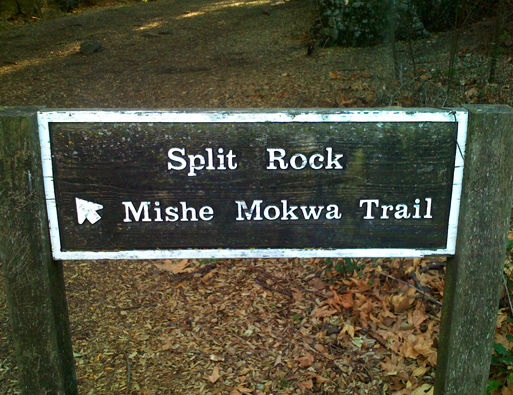
You’ll reach the head of the valley soon, and find yourself in a grove of oaks next to a stream which often has water even in the late summer. Another joy of this trail is the springs and greenery that flourish even when most of the hills are bone dry. It’s a great spot to rest, with a picnic table. It gets its name from the enormous boulder that rests nearby.

Splitrock_2

Walking through the gap is supposed to leave your demons behind. I always wonder if you just end up picking up the previous persons’?

Just past Split Rock is a turnoff that apparently leads to Balanced Rock. It’s signed, but unmaintained by the NPS. Me and Liz did explore it once, but it quickly became very hard to hike and unclear which route to take. It is used by a lot of climbers to get to the cliffs, so it must be possible if you know what you’re doing. There’s apparently another route to the bottom of the cliffs down the drainage at the bottom of the very steep section past Echo Rock, but it would be very rough too and I’ve never taken it.

Continue to the left up an overgrown fire road. You’ll go about half a mile, crossing below a rock formation that looks like a skull, cross a creek and then you’ll be on a clearer dirt road. This continues uphill for a while, and then emerges into a very shallow valley. In a while you’ll see a signed trail leading to Tri-Peaks. It’s about a half-mile spur trail that takes you to a beautiful set of peaks nearly as tall as Sandstone. It’s a great spot for a bit of lunch and sunbathing, with views out over the Conejo Valley on clear days.

Sandstone Peak, the misnamed mountain

Returning to the main path and ontinuing about another mile, you should see another small spur heading steeply up to Sandstone Peak. It’s only about 200 yards long, but involves a lot of rock scrambling. At the top is a visitor’s book and a plaque dedicated to a Mr Allen. The Boy Scouts who used to own all this land still know it as Mount Allen, but to everyone else it’s Sandstone Peak, even though it’s not sandstone at all.

Sandstonepeak

Sandstone Peak Fire Road

After returning to the main trial, which can be tricky because the spur trail is hard to follow going down, you’ll continue on for around two miles, winding your way down the mountain back towards Yerba Buena Road. If you parked at Mishe Mokwa, keep an eye out for the connector trail, it’s easy to miss. I prefer going up Mishe Mokwa and back along this fire road because it’s pretty steep and shadeless, which in the summer means getting very hot.

Green card delays

I just received an update on my green card application, which is now over 4 months overdue. It appears I’m stuck in the background check backlog. As I’ve been a legal resident here for over 6 years, and the only difference with the green card is that I could change jobs and travel a lot more easily, it seems unlikely that this is helping national security. It appears that over 100,000 people are stuck with delays of over a year, so I seem to be at the end of a very long queue.