
River Lark and old mill buildings, Mildenhall by Bikeboy
Today I saw a question posted on Reddit from someone who’s deploying to Mildenhall from the US. They wanted insights on how to dive deeper into English culture as a visitor, and I since I grew up nearby and I’m waiting on training I ended up writing a long answer. I’ve no idea if search engines even work any more, but in the spirit of leaving breadcrumbs for anyone with similar questions, I wanted to share a version here too.
As someone with family still in Mildenhall and who grew up nearby, but who has lived in the US for 25 years, here are some thoughts for whatever they’re worth. The area has hosted Americans for over 80 years, so the locals are very used to their presence. I even had some USAF kids in my school classes, from families who wanted them to mix outside of the base. I still remember the day one brought in his dad’s pressure suit from a Blackbird for our equivalent of show and tell. I don’t know whether going to an English school was something they benefited from, but I believe it’s still an option if you’re interested. For us it was great to have friends who could bring us American candy.
The house rental market is very much set up for visiting military, for better or worse. You’ll have no problem renting, the landlords know they can get help from the base staff if there are any issues, but you’ll also find most places are set up for fairly short term deployments of a couple of years or so. This means you’re not likely to get a rose-covered cottage, but something more functional. You’ll also find it hard to get away from other Americans without traveling a few miles.
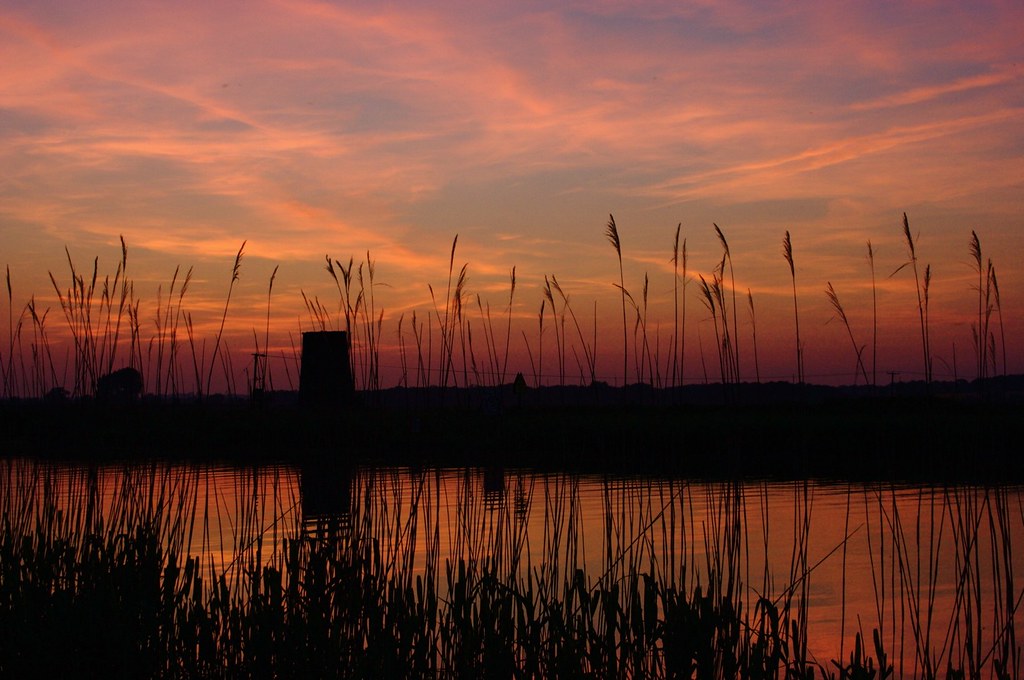
Photo of the Norfolk Broads by Russell Smith
Don’t let any preconceptions of the English countryside mislead you. I find the Fens beautiful, but they’re basically drained swamps, very flat and agricultural. I highly recommend experiencing it from the water, with a narrowboat tour through the Norfolk Broads. You can actually travel pretty much the entire country by connected canals, and some people live on boats year-round.
It’s a blue-collar rural area with all the same drugs, violence and bigotry you find in similar areas in the US, though maybe not as obvious. I’ve lost too many friends to suicide and drunk driving, and ask a local about Roma people if you want to hear some ugly attitudes. Different pubs are focused on locals, tourists, and service members. You’ll probably find the locals’ pubs give you a bit of a cold shoulder at first, but that’s also where you’ll get the most authentic interactions if you stick it out.
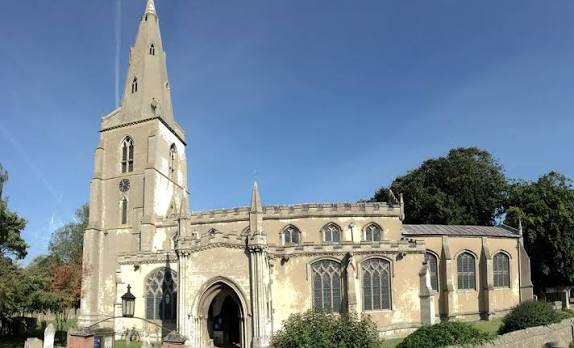
You should also check out the local churches. Even if you’re not religious, you’ll be welcome at a service, and you’ll find them amazing places to visit. I’m an atheist, but Over (confusing village name) St Mary’s is still a special place for me, with a documented history back into the 1000’s, and parts that likely predate that. It’s also been described as having the best gargoyles west of Notre Dame! Churches generally remain unlocked during the day, and if not, the graveyards can be beautiful and fascinating in themselves. There are often local history guides available for purchase (unattended on the honor system) inside the churches. On a similar note, search for local archaeological sites, there are often visitor days or even chances to volunteer. Maybe you’ll find a bog body or a hoard of treasure?

West Front, Abbey Gardens – Bury St Edmunds, by Jim Linwood
There are also a lot of small towns with amazing history and architecture, like Bury St Edmunds and St Ives, that don’t have the crush of tourists you’ll find in Cambridge. Look up market days too, it’s often a lot of tat but mixed in there can be some gems. They tend to be aimed at bargain shoppers too, not bougie like farmers markets here. St Ives’ market is over 900 years old, and still held weekly on Mondays, with special events on Bank Holidays.
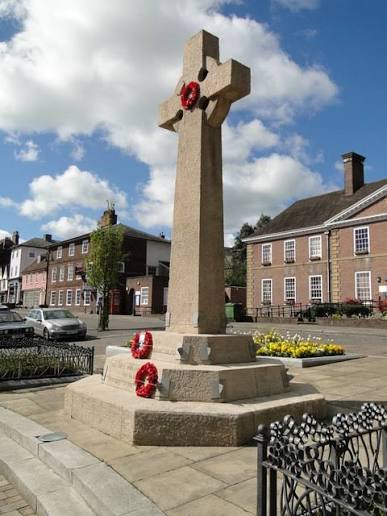
There’s a weird love/hate relationship with the US. I had friends who insisted Americans aren’t funny, while being addicted to shows like the Simpsons (I’m dating myself I know). There’s also strange holdovers like believing there’s still a “special relationship”, the US is “over the pond”, and Americans are our “cousins”. You’ll likely get a lot of questions (or digs thinly disguised as questions) based on stereotypes, news headlines, and people who think their holidays in Orlando give them in-depth knowledge of the US. There’s still a lot of genuine affection for America though. World War II looms large in the British psyche, with war memorials listing the dead in most villages, and we know it would have gone very differently without American help.
I wouldn’t worry too much about American habits, but it can be hard to gauge British levels of friendship as an outsider. You might hear “we should get a beer sometime” and try to set a date, only to discover that was just a polite way of saying you’re on good terms with them, like “we should get lunch”. I’ve also had British friends complain that Americans behaved in a way that was perceived as being very close, but then failed to stay in touch with Christmas cards once they left. I feel like the US is a lot more set up for people moving a fair bit, and Britain has a lot more people who live where they were born, though part of that may be because I’ve always lived in big cities here.
On the surface a lot will feel familiar, especially because of the shared language, but with a bit of patience and exploration off the beaten track, you will start to see how foreign and complex the UK actually is. I think you’re approaching this with a great attitude and hope you and your family have a good time.

